
Your needs, this model
Does it fit your priorities?
Is this a reasonable format to pack for a commute or trip?
The manufacturer lists a 400 g device, a soft pouch and body dimensions of 116 × 135 × 96 mm. That is useful for judging bag space, but it is not a guarantee of airline acceptance. The exact battery watt-hours are not established in the reviewed material, and carrier rules can be stricter; check the current manual and airline before flying.
Explore this need in the finder →What comes with it for different contact preferences?
The third-generation manual lists a Dampener for tender or sensitive muscles, a Standard Ball for general contact across larger or smaller muscle groups, and a Thumb for more focused contact. These are manufacturer descriptions, not clinical directions; follow the manual and avoid pressure that causes pain.
Explore this need in the finder →Can I set a firm runtime target from the published battery figure?
Not reliably from this evidence set: the current product page says 150 minutes, while the exact third-generation manual says up to 120 minutes depending on attachment and treatment intensity. Treat the conflict as unresolved rather than assuming either figure is a guaranteed session length; do not select this model for a minimum-runtime requirement based on the headline claim.
Explore this need in the finder →This assessment is based on the manufacturer’s current product page and the matching third-generation manual, not hands-on use. It is most useful as a fit check: the Mini 3rd Gen is a small, simple-format device whose published strengths are portability, three included heads and direct button control. Its source material also contains meaningful gaps and conflicting claims, so it is not a safe match for every feature-led shortlist.
A compact package with three contact choices
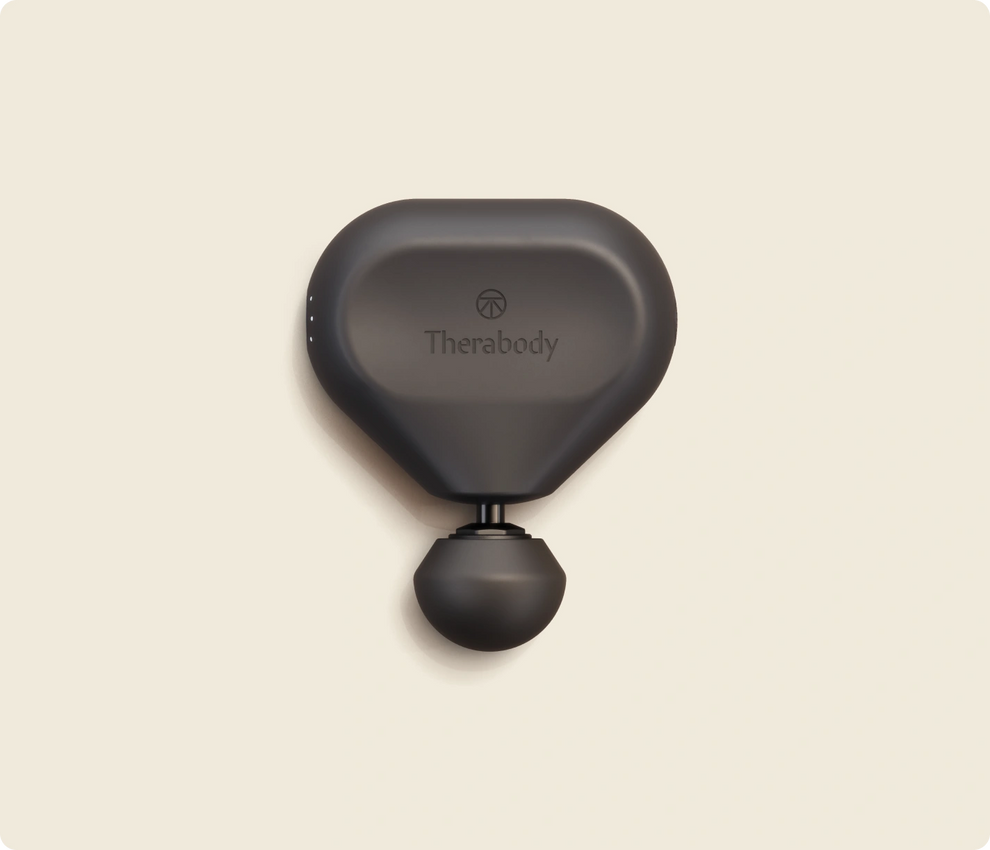
The reviewed black edition is identified by Therabody as the Mini 3rd Gen, SKU TG0004128-1A10. The manufacturer lists 400 g weight and dimensions of 116 × 135 × 96 mm. Those are handy facts for comparing bag space, though the page does not label the three dimension axes. The manual’s box diagram lists the device, USB-C charging cable, Dampener, Standard Ball, Thumb and travel pouch. That is a more useful portability story than the word “mini” by itself: there is a pouch, but it is not a full-size case or a promise about airline rules.
The three attachments provide meaningfully different contact shapes. Therabody describes the Dampener for tender or sensitive muscles, the Standard Ball for general use over larger or smaller muscle groups, and the Thumb for focused contact. These are manufacturer descriptions, not clinical evidence or individualized treatment advice. For anyone unsure, the manual’s handling guidance matters more than an attachment’s marketing label: use light-to-moderate pressure, do not push through pain, and do not start directly on an uncomfortable spot.
Simple controls, with optional phone routines
The included-device routine is straightforward. Hold the multifunction power/speed button to turn the Mini on; press the button to cycle between low, medium and high. A row of LEDs indicates the selected level. The product page gives three numerical speed figures—1,750, 2,100 and 2,400 percussions per minute—while the manual describes the three positions as low, medium and high. I treat those as the maker’s published settings, not as an independent measurement of delivered force or effectiveness.
The product can pair over Bluetooth with the Therabody app for guided routines. That is optional rather than required for basic operation, but it adds setup: the manual says to install the app, create or use an account, enable Bluetooth and pair the powered-on device. If you prefer an uncomplicated standalone device, the button-and-LED workflow may be enough. If you expect an on-device display or built-in screen, the reviewed sources do not establish one.
Important specification gaps and conflicts
Runtime is the clearest evidence problem. The current product page says 150 minutes, whereas the exact third-generation manual says up to 120 minutes depending on attachment and treatment intensity. These are not interchangeable promises. I leave a strict-runtime match unverified rather than choosing the larger headline number or assuming a typical session. The manual also lists a cable but not a wall adapter in the box contents, so check whether your charging setup includes a suitable USB power adapter.
Noise deserves the same restraint. The manual uses the qualitative word “quiet,” but the reviewed source set gives no measured dB figure. There is no verified numeric threshold to compare with a household, apartment or clinical environment. Likewise, a 16 mm metric appears in the product material, but the copy reviewed does not make its relationship to a named stroke-length specification sufficiently clear. I do not relabel it as a confirmed stroke length.
Heat is unresolved. A product comparison table places a heated-massage label near Mini Gen3, while the product page describes Mini Plus as the only heated travel-size model. Since the sources conflict, this review does not claim that built-in heat is present. The Mini page separately lists Vibration Plus and Cold Plus compatibility as optional purchases; neither add-on is included in the reviewed black kit, and neither resolves the built-in-heat contradiction.
Use, care and travel checks
The manual says to attach or remove a head only while the device is off, and to lock it for transport by pressing the button three times. It also says the Mini is not waterproof: clean it with a damp cloth or an alcohol-free wipe, and do not submerge it or run it under water. Therabody’s precautions page lists conditions and situations that merit caution or contraindicate use; this article cannot determine personal medical suitability. Read the current warning material and ask a qualified clinician when that is relevant.
Travel marketing is not a boarding guarantee. The exact Mini battery watt-hours were not established in the sources I reviewed. FAA guidance makes battery capacity and airline rules relevant, and individual carriers can be stricter. Check the marked Wh rating, current FAA guidance and your carrier before flying; do not rely on the word “travel” or a pouch as proof that a particular itinerary will accept it.
Who should keep it on the shortlist?
The Mini 3rd Gen is a plausible candidate when a shopper values a 400 g body, pouch, USB-C cable, direct three-speed controls and three supplied contact shapes more than a long-handle grip, quantified acoustic performance or a firm runtime guarantee. It is not a verified answer for anyone who requires built-in heat, a particular sound ceiling, a minimum battery duration or a wall adapter in the box. Match the exact finish and package; other Mini generations and Mini Plus are different models.
Before purchase, confirm the seller’s exact Mini generation, black SKU, package contents, return terms, current instructions and recall notices. The recall search recorded for this review did not find an exact Mini Gen3 notice, but it was limited rather than exhaustive. This is a source-based assessment, not a claim of ownership, testing or medical benefit.
Finish-specific listings covered in this assessment
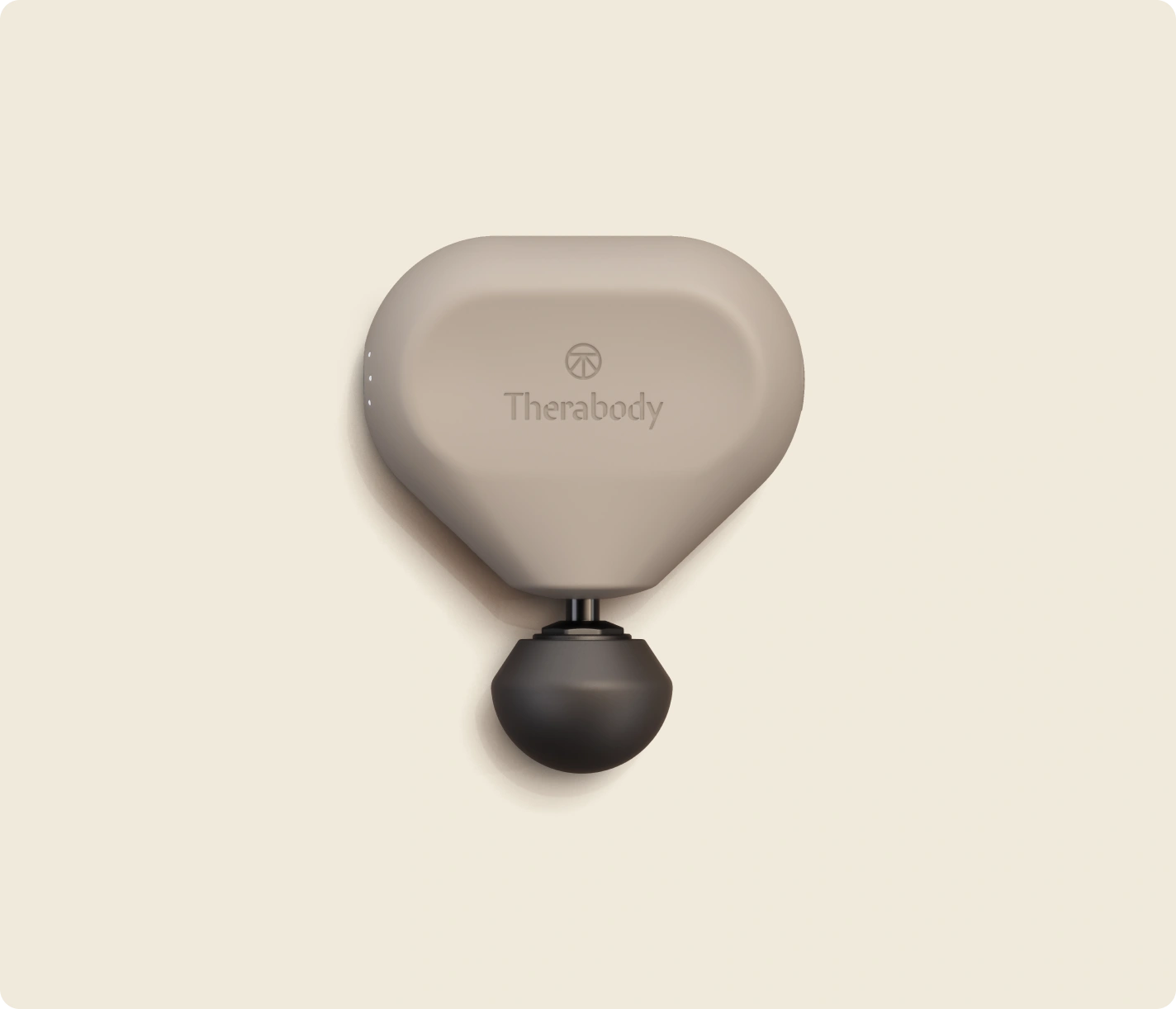
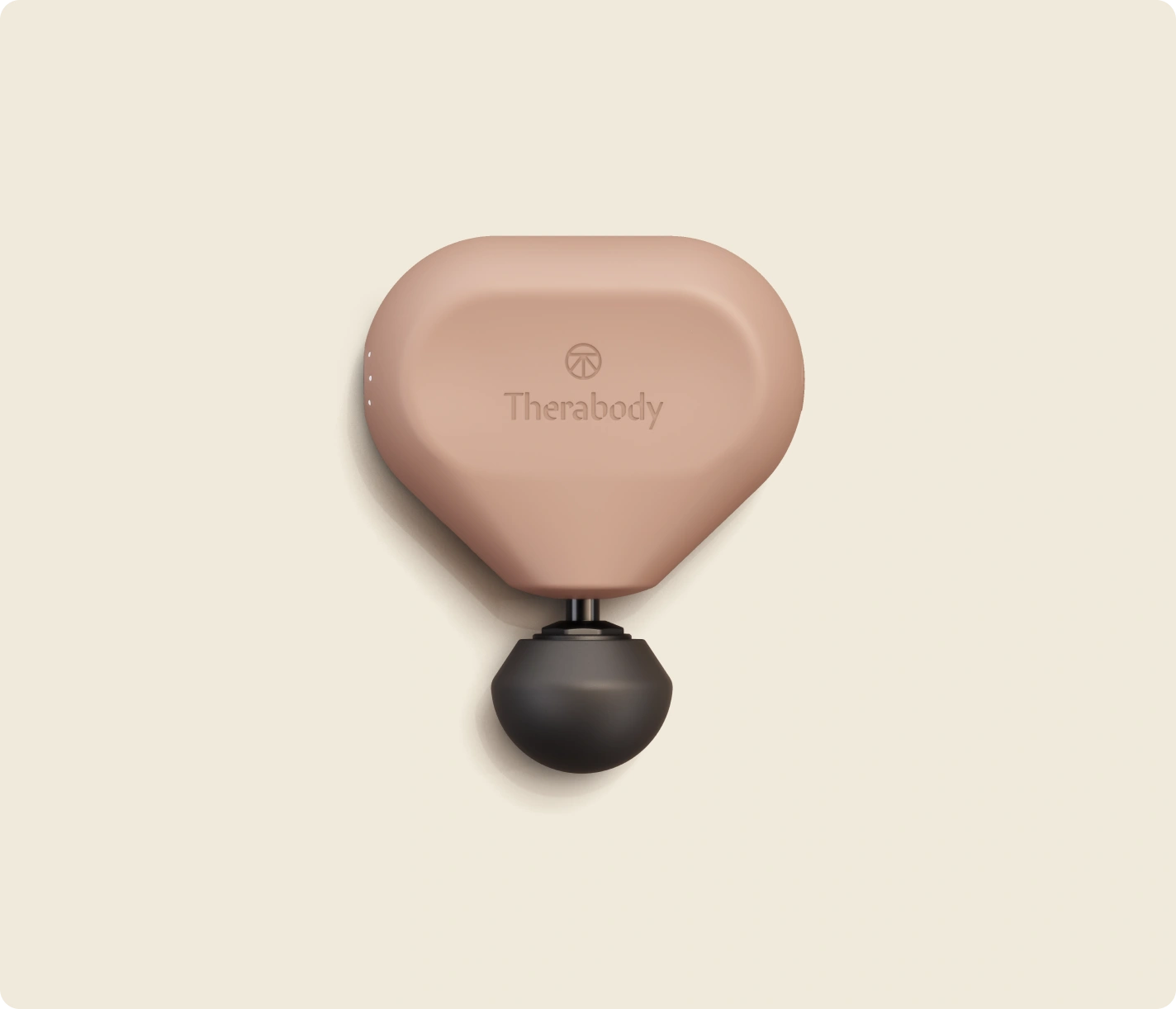
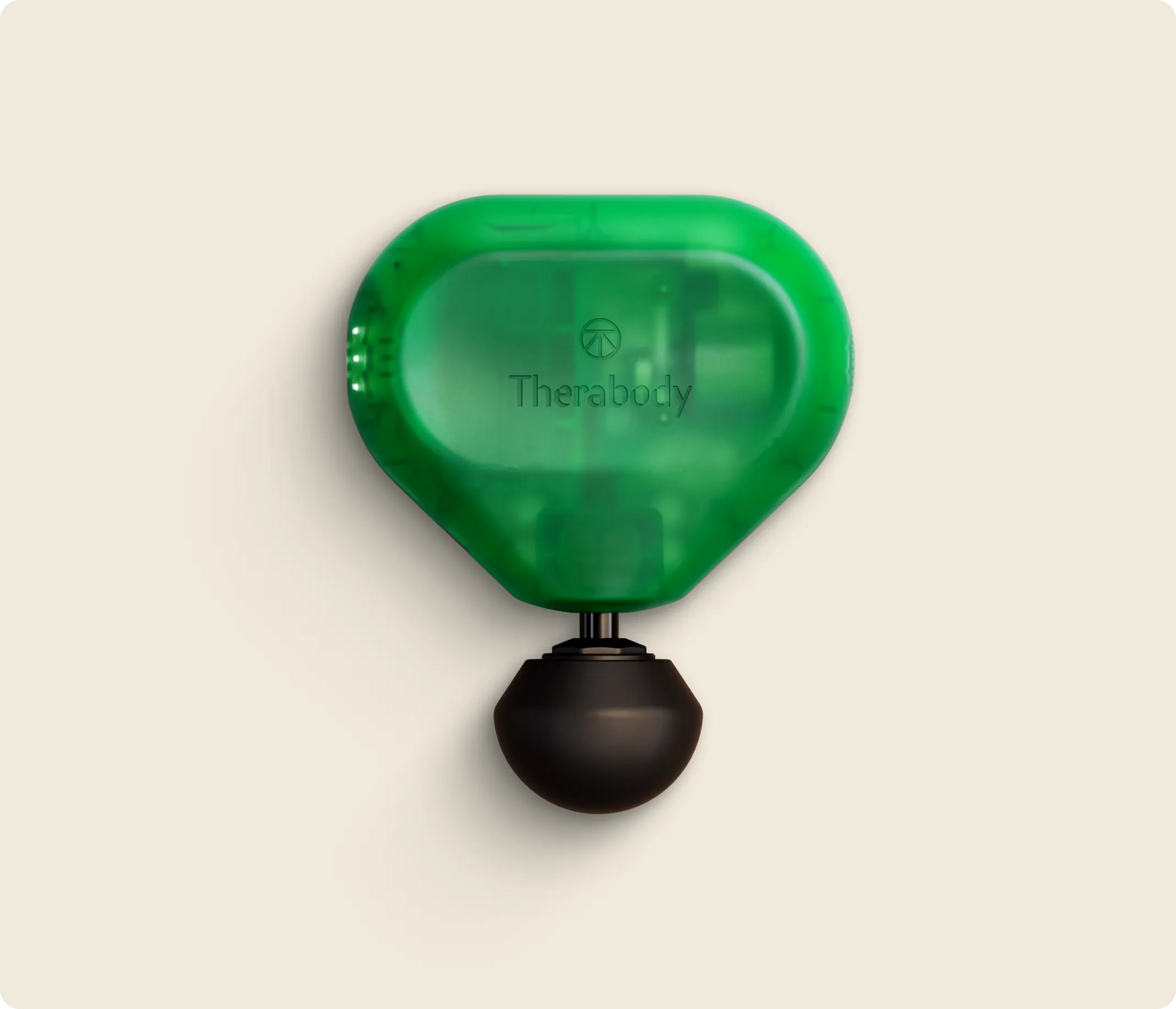
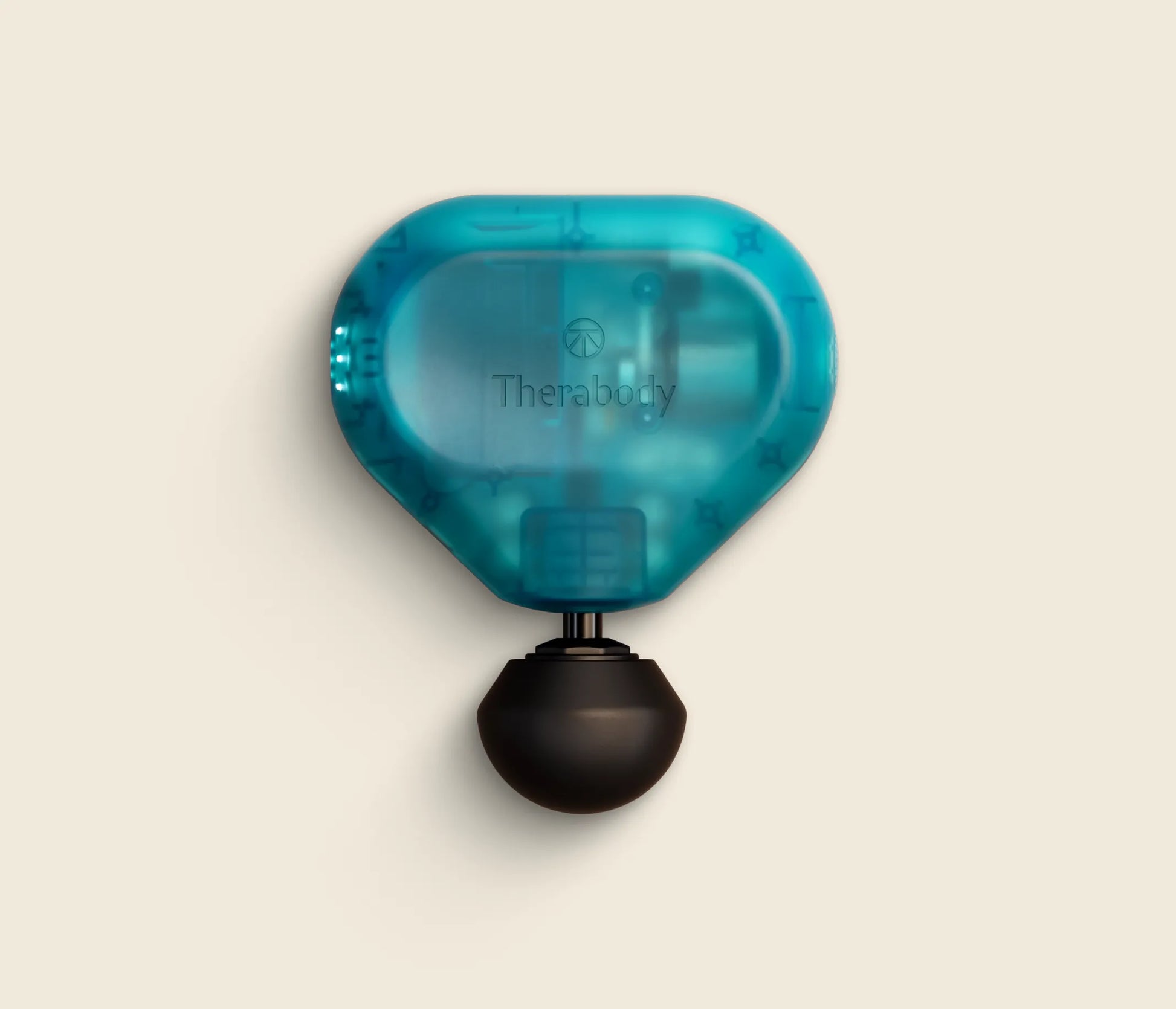
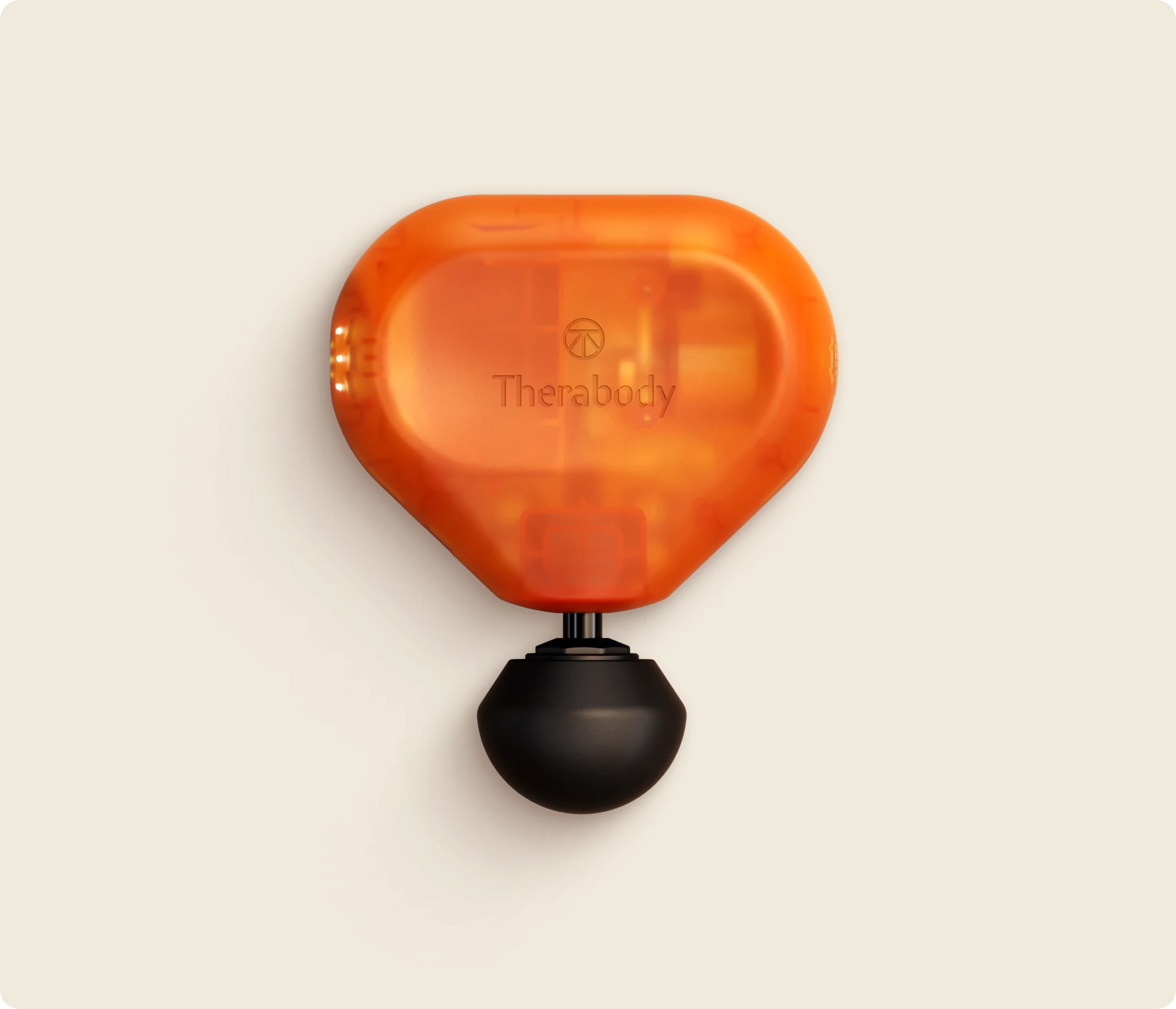
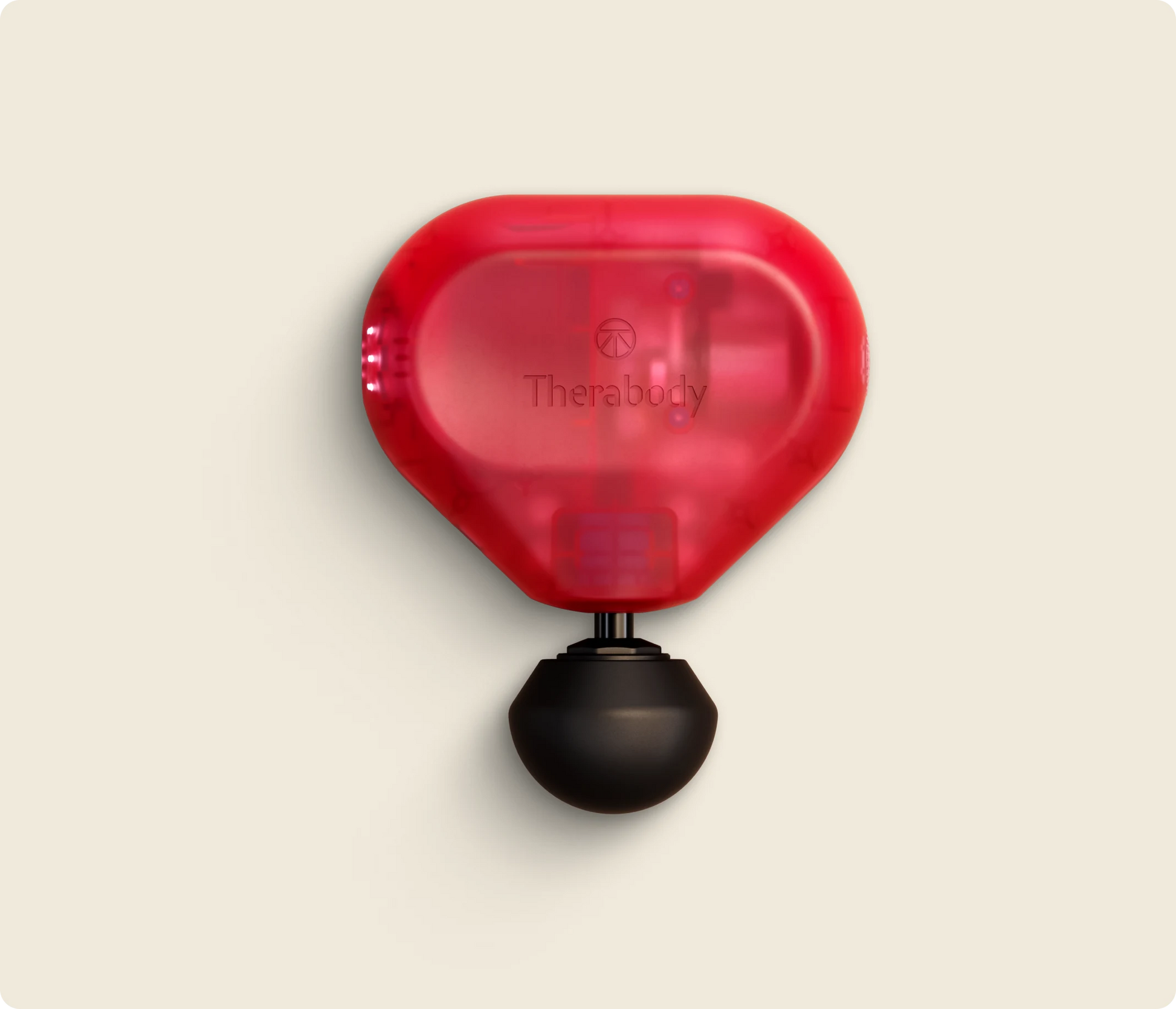
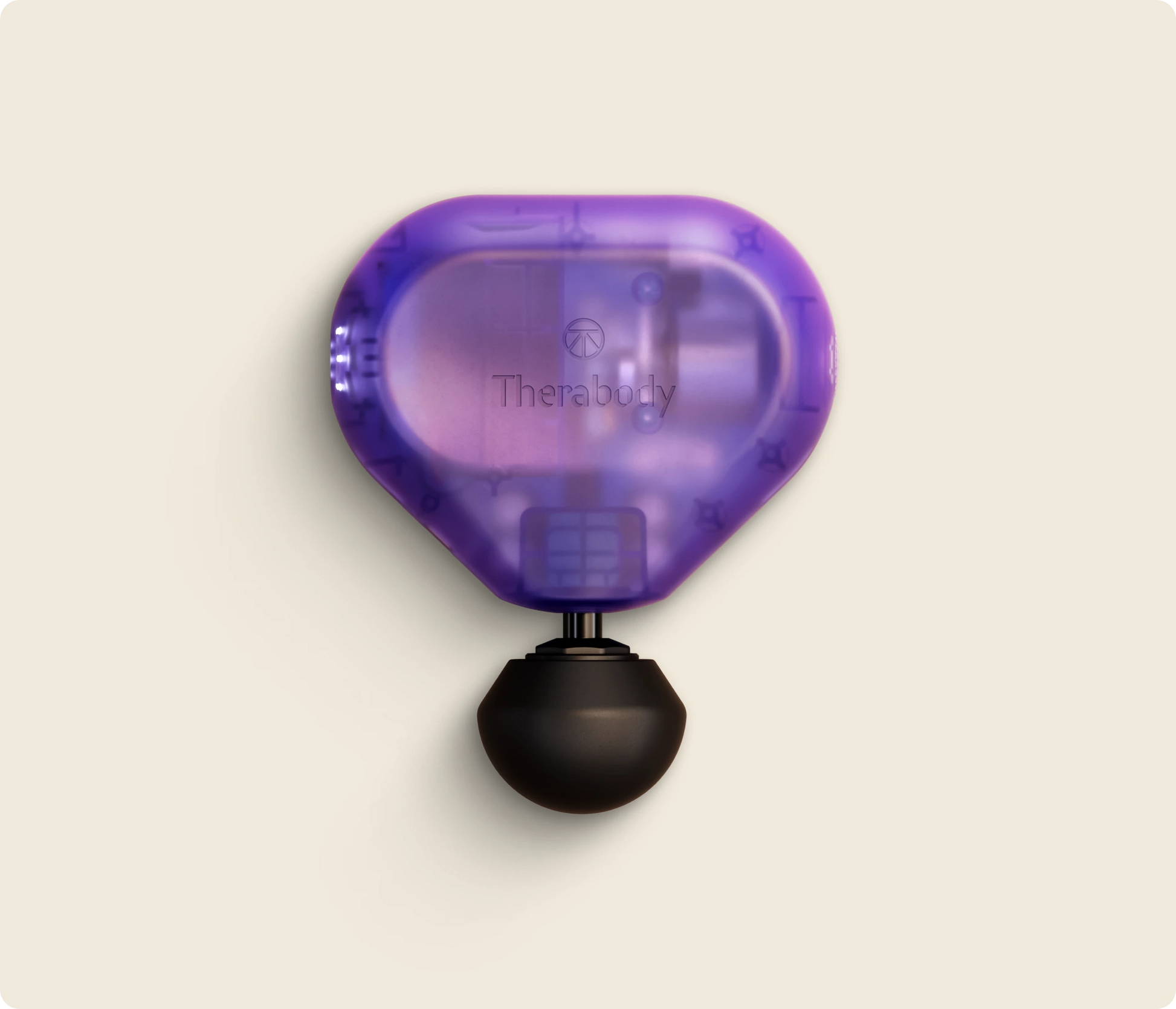
The current US storefront exposes the third-generation Mini under separate finish pages. Oat, Desert Rose and the Y2K colors below identify the same Mini generation and list the same three attachment names, USB-C cable and soft travel case. This is finish-only coverage, not a separate performance review of each color. Some Y2K pages omit the detailed specification block, so numbers in the main assessment should be read as the claims on the reviewed Black listing and manual—not as independently restated facts for every finish. Confirm the exact SKU and current package in the seller’s listing. The BuyerShortlists buying-details button on this page is registered for Black only; it does not choose one of these finishes.
Key specifications
Key details at a glance
| Manufacturer SKU surfaced in source | TG0004128-1A10 |
|---|---|
| Body format | Compact |
| Device body weight (where precise enough to compare) | 400 g |
| Speed-setting count (unknown if conflicted) | 3 |
| Heads listed in the kit | 3 |
| Heads listed in the kit | Dampener / Standard Ball / Thumb |
| Storage/carry case listed | Yes |
| Current product-page runtime claim | 150 min |
| Matching manual runtime maximum | 120 min |
| Manufacturer dB rating present | No |
| USB-C charging listed | Yes |
Use the exact model’s instructions for operating limits, supplied equipment and version differences.
Sources for this review
Sources for this assessment
Check the fit against your priorities
Use the finder to compare documented features, then review the exact package and caveats.